Workforce Resilience, Career Coaching and Authentic Voices in the Age of AI: A Conversation with Guest Expert Dr. Nik Chong
By Devakumar A/L Robert William, Senior Executive, BAC College and Nevash Nithi, Content Writer, BAC College
As industries change and artificial intelligence reshapes the workplace, building a lasting career takes adaptability, clear communication, and continuous learning. For students and fresh graduates, it can be hard to know which skills to build first. For working adults, staying relevant as jobs and tools shift is just as challenging.
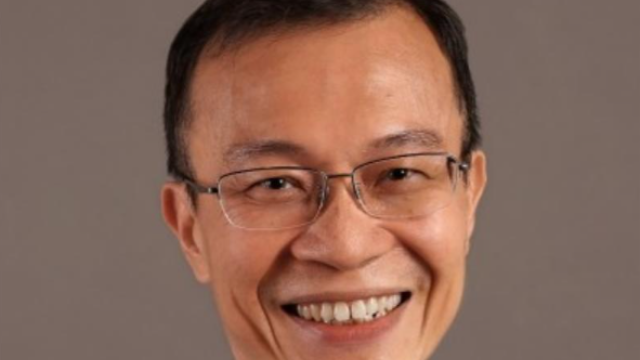
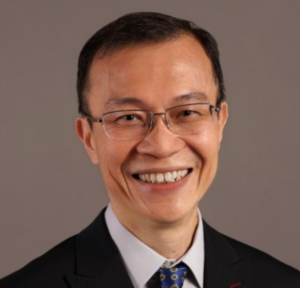
As part of the Guest Expert Interview Series, we speak with Dr. Nik Chong, an HR and business consultant with over 20 years of experience in human resource management, workforce planning, and career advisory across banking, engineering, construction, and higher education. Based in Singapore, Dr. Nik is a Certified Career Services Provider, a Registered ISO 9001 Lead Auditor, and Co-Founder of SG60 Voices from the Heart and Asia Voices of Courage, a regional movement helping people build authentic voices and personal brands through storytelling.
Dr. Nik shares his move from corporate HR to career advisory, the skill gaps he sees in fresh graduates, and the human skills that will stay valuable in the age of AI.
1. After more than 20 years in HR, workforce planning and career advisory, what first drew you into this field, and what led you to start Asia Voices of Courage?
At some point in our careers, we all stop and ask whether this is all we want to do. I enjoyed my work as a human resource manager across the full range of HR, from hiring and rewards management to industrial relations and union work.
HR gave me a clear view of how a business runs and how leadership decisions affect staff. Companies must stay profitable to survive, and I understand that management has targets to meet. Still, over 20 years, I saw many decisions made for shareholders and profit rather than for people. When business is good, companies hire; when times are tough, they let people go. Eventually, I realized I needed to look out for myself.
This becomes even more important later in your career. As your pay rises, you are often among the first to be cut during a downturn. Through networking, I met people from different industries and realized there were many paths beyond HR. I took courses, earned ISO certifications, and trained in coaching to expand my skills and take on new types of work.
Opportunities come to those who are ready. If you prepare well, you can act the moment a chance appears. If you do not, you will miss it. I believe in being over-prepared because adding new skills never hurts. Singapore is practical, and our government puts strong funding and resources into helping working adults upgrade their skills. I took full advantage of that support to branch into consulting, ISO auditing, and higher education.
In 2025, while looking for work beyond my usual scope, I joined a workshop called Game Changer, led by my Han Kok Kwang in Singapore. He challenged us to turn classroom knowledge into practical action that makes a difference. Working with another participant, Sebastian Chen, I took on a project to test market interest in career management by running free talks and workshops at libraries and community spaces. Even when events are free in Singapore, attendance varies, yet those who came found real value.
2025 also marked Singapore’s 60th year of independence, and national pride was high. Before starting Asia Voices of Courage, we launched SG60 Voices from the Heart as a community storytelling project. Singapore is known for achievements like having a world-class airport, yet few spaces let everyday people share the struggles they usually hide. It is easy to talk about success, but everyone has a story worth hearing. We invited people to share difficult experiences, such as failing in business, surviving cancer three times, or caring alone for parents with dementia at a young age. These are real experiences people rarely discuss openly, and we can all learn from them.
We held our first session in July 2025 with 20 speakers from all walks of life, including business owners and people who had lost their jobs. We do not screen speakers. Anyone with a story is welcome, and the public is invited to listen. It works like bringing back the kampong spirit, where people connect through honest stories.
That first event went so well that we ran a second one, and it soon became a monthly series. Our 20th session takes place on 21 November 2026, and more than 200 speakers have shared their stories so far. On 11 July 2026, we gathered over 100 speakers for a special project called 100 Voices of Resilience. Around 300 people attended, and we entered the Singapore Book of Records for the most speakers recorded live and uploaded to social media. That milestone gave us the confidence to expand beyond Singapore, which led to Asia Voices of Courage.
2. From your work with companies across the region, what gaps do you often see in fresh graduates, and how can universities and colleges help close them?
Working in both industry and higher education, I see that fresh graduates do not lack technical knowledge. Universities train them well in their core subjects, whether accounting, marketing, engineering, or science.
The real gap is soft skills. Regardless of their degree, many graduates struggle with communication. Writing matters, but spoken communication and presentation skills matter even more. Many fresh graduates have great ideas, yet they fail to explain them clearly when speaking to a room or a team. Universities should make practical communication training a core requirement across all courses.
The second gap is teamwork. Many younger graduates prefer working alone, so learning to cooperate well in a group is essential. In my view, clear communication and teamwork are the two most important soft skills to build.
3. As AI changes the workplace, how should education change with it, and which human skills will stay valuable?
That is a tough question that even AI scientists and top tech firms are still working through, so I can only share my perspective. Higher education still plays a vital role, and its main goal now is to help graduates adapt and succeed in a fast-changing workplace.
Basic AI skills, such as writing effective prompts, should be taught in every field, from arts to science and engineering. In Singapore, we aim to train “AI-bilingual” graduates who use AI as naturally as any standard office software. That is now a basic expectation. What sets people apart is how well they use AI to automate tasks and get better results. AI is only a tool; give two people the same tool, and their output will differ based on how well they apply it.
At the same time, the most valuable human skills remain clear communication and the ability to work well with others. The more we rely on AI, the more our human relationships matter. In the past, companies hired mainly for technical knowledge. Now that AI handles much of that work, emotional intelligence (EQ) and teamwork make the difference. No matter how strong your technical or AI skills are, you will not go far if people cannot work with you.
I always ask: are you the person colleagues turn to when they face a problem, or the person they avoid? If people say, “I want this person on my team,” your career is secure. If they say, “Stay away from that person,” your technical skills will not save you.
4. For working adults and career switchers who feel unsure about fast change, what mindset and core skills help them move on or stay relevant?
This worry appears every time a major new technology arrives. When computers and the internet first entered offices, many people feared they would lose their jobs. While some roles changed or disappeared, new jobs were created. The first requirement is an adaptable mindset and a willingness to learn. If you trained as an engineer years ago, you cannot refuse to learn AI tools or resist working with other departments today.
Fewer people will stay with one employer for decades. We are also seeing more fractional work. To control costs, a company might hire an accountant for five or ten hours a week instead of full-time. Because of this shift, mid-career switchers and professionals like me often build portfolio careers, moving from one project or consulting assignment to the next.
That makes networking critical. Build connections inside your industry, and make an effort to connect outside it too, because opportunities travel through people. Meeting people in other fields opens doors you would never find on your own. I have experienced this firsthand. Networking across technical roles, non-technical teams, and volunteer groups introduced me to decision-makers and created new career paths. Being open to new connections and opportunities is essential.
5. What is the one piece of advice you would give to someone starting out or restarting their career today?
My main advice remains the same: stay adaptable. Do not cling so tightly to your past role that you insist your next job must look identical. Many current roles will change or vanish within five years, while new industries continue to grow. Keep building your network as well.
I would also add resourcefulness. Whether you work for a company or run your own business, you need to bring the right people, knowledge, and tools together to get things done. Focus on becoming a problem solver. Anyone can complain. When someone comes to me with a problem, I always ask, “How are you going to solve it?” If you become known as someone who solves problems, you will always stay in demand, no matter which industry you choose.
Key Takeaways
Stay over-prepared: Opportunities go to people who are ready. Keep learning new skills and make full use of adult education programs.
Improve how you speak and present: Fresh graduates usually have solid technical knowledge, but clear spoken communication sets you apart.
Learn to work well in teams: Cooperative teamwork is essential, especially in a workplace where people often work independently.
Learn to use AI well: Basic AI skills like prompting are now standard. Your edge comes from using AI to produce real results.
Build your emotional intelligence: As AI handles more technical work, getting along with people matters more than ever. Be the colleague others want on their team.
Stay adaptable and keep networking: Build relationships inside and outside your field, because new opportunities come through people.
Be a problem solver: Bring people and resources together to fix issues instead of just pointing them out.
About the Guest Expert Interview Series
The Guest Expert Interview Series, hosted by Veritas University College, brings practical insights from experienced industry leaders to students, school leavers, working adults, and anyone building a career. Through real career stories and clear advice, our guests help readers understand the skills and mindset needed to succeed in their fields.